
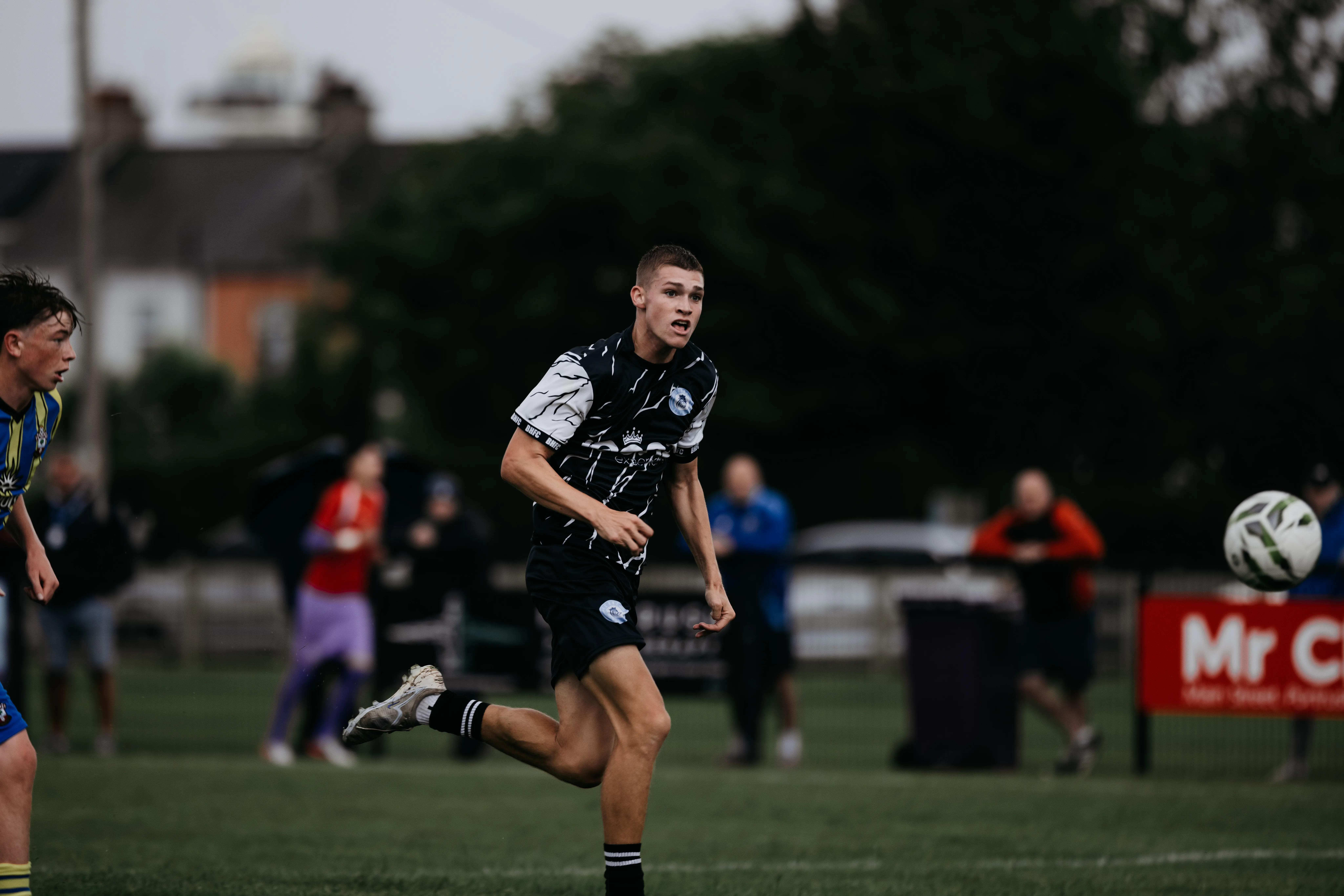
There is no universal number of weekly soccer hours that works for every young player. A schedule that feels challenging and productive for one child can be too much for another. The useful question is not simply, “How many sessions?” It is, “Is this player recovering well enough to keep enjoying the game and improving over time?”
That distinction matters because a soccer schedule is rarely just one team practice. It can include club training, school soccer, private work, games, tournaments, conditioning, travel, and the pressure a player puts on themselves. Add poor sleep, a growth spurt, school demands, or stress away from the field, and the same plan can become a very different load.
The best youth soccer plans make room for effort and recovery. They protect a player’s long-term relationship with the game instead of treating every open hour as another chance to train.
Start with the full load, not one team’s calendar
When families assess training volume, they should count every organized sport commitment. A Tuesday can look light on a club calendar, then become a heavy day once school training, an added development session, and another practice are included. The body does not sort those hours by jersey.
The American Academy of Pediatrics’ clinical guidance on young athletes asks families to consider cumulative demands, including overlapping schedules, year-round play, tournament volume, sleep, and non-sport stress. It recommends at least one or two days each week away from competition and sport-specific training. That does not mean a player has to sit indoors. It means the schedule should leave genuine space to recover from organized soccer demands.
Begin with a simple weekly review. Write down practices, games, private training, strength sessions, travel, and other sports. Then add the parts most calendars miss: late nights, early school mornings, long tournament weekends, and how the player actually feels after each block. A plan is only realistic when it accounts for the whole week.
Look for recovery, not a magic number
A player who is handling their load well usually returns to training with energy, curiosity, and the ability to concentrate. They may be tired after a hard session, but they recover. Their movement stays natural, their mood stays reasonably steady, and the game still feels worth showing up for.
When the balance slips, the signs are often more useful than a total-hour count. Persistent fatigue, sleep problems, recurring soreness, falling performance, irritability, reduced motivation, or a sudden loss of enjoyment all deserve attention. The AAP describes overtraining as a mismatch between training stress and recovery. The fix is rarely to push harder through it. The first move is to understand what the player’s body and behavior are telling you.
Use a short check-in after busy weeks: Are they sleeping well? Do they want to train? Are they still moving freely? Are small aches disappearing with recovery, or becoming a regular part of the routine? Honest answers help a family adjust before a small problem becomes a longer interruption.
Protect weekly rest and seasonal variety
Rest is part of training, not a reward for surviving it. The AAP’s parent guidance on overtraining recommends one or two days each week away from organized competition and sport-specific training, plus two or three months away from a particular sport across the year. Those breaks can be planned around the player’s calendar rather than treated as a surprise after burnout arrives.
Time away from soccer does not have to mean abandoning athletic development. Younger players can benefit from free play, other sports, relaxed family activity, and age-appropriate strength and movement work. Variety can reduce repetitive load while keeping movement fun. It also gives players room to develop confidence that is not tied to one position, one roster, or one result.
For families with a player who loves soccer, this can feel counterintuitive. Ambition is not the problem. The problem is a schedule that gives ambition no room to breathe. Sustainable players learn when to work, when to recover, and when a lighter week is the smarter decision.

Build a week the player can actually absorb
A healthy youth soccer week is not always a perfectly even schedule. A tournament can create a heavier weekend. School soccer may bring a demanding stretch. The goal is to avoid making every week a peak week. When one area gets busy, another area should usually become lighter.
For example, a player coming off several tournament games may not need an extra high-intensity private session on the first available weekday. A lighter technical touch session, easy movement, or a full day away from organized soccer can be the better choice. Likewise, a player starting a new school term may need a smaller training load while their sleep schedule settles.
Planning around recovery also makes competitive opportunities more valuable. When players arrive fresh enough to focus, they can learn from a difficult opponent, absorb feedback, and make better decisions under pressure. When they arrive depleted, the same event can turn into survival mode. More games do not automatically create more development.
Families can use four simple questions when choosing what stays on the schedule: Is this session clearly helping the player improve? Does it fit with the rest of the week? Is the player recovering well between commitments? Would skipping it protect a more important training or competition moment? Those questions turn a crowded calendar into a set of real priorities.

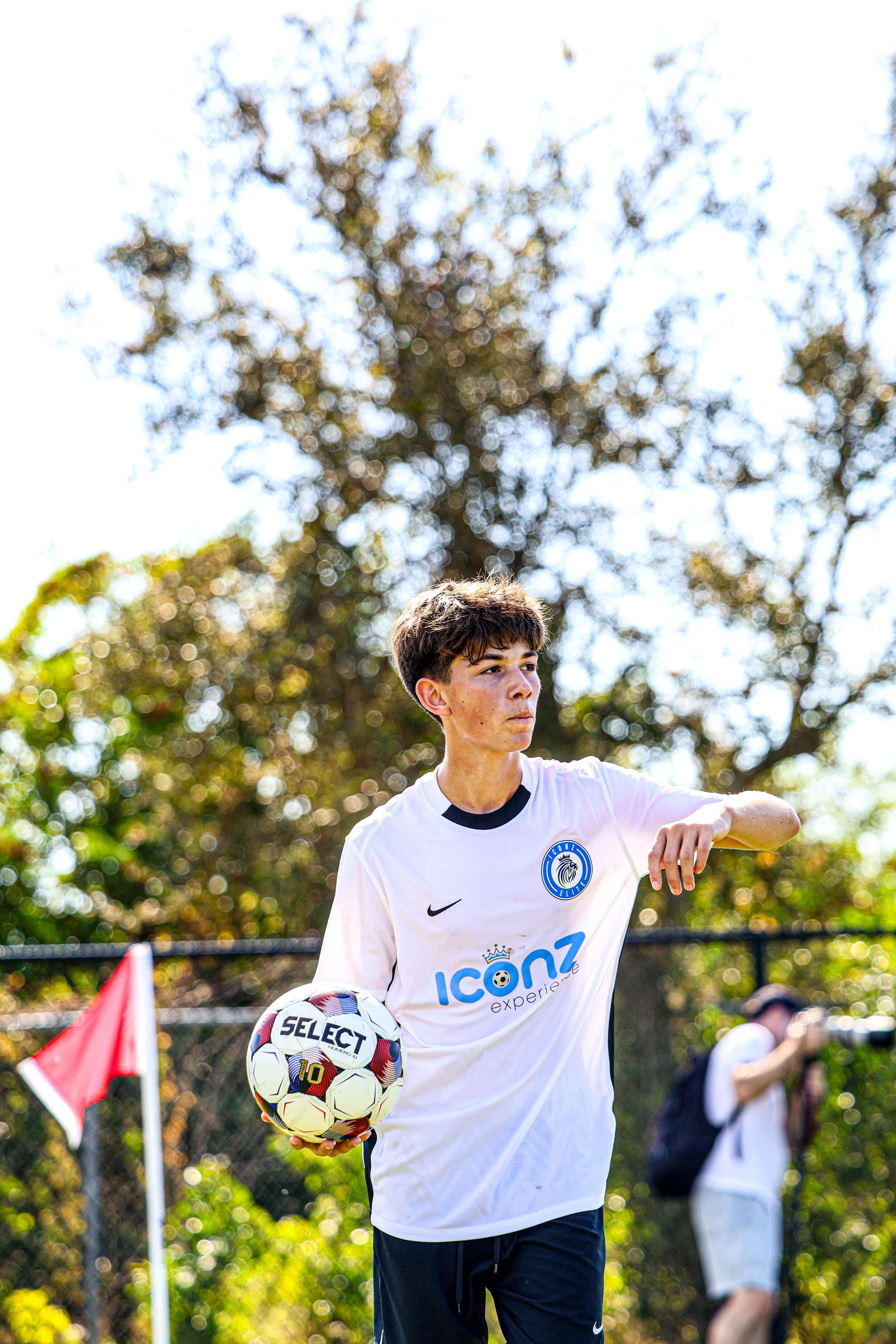
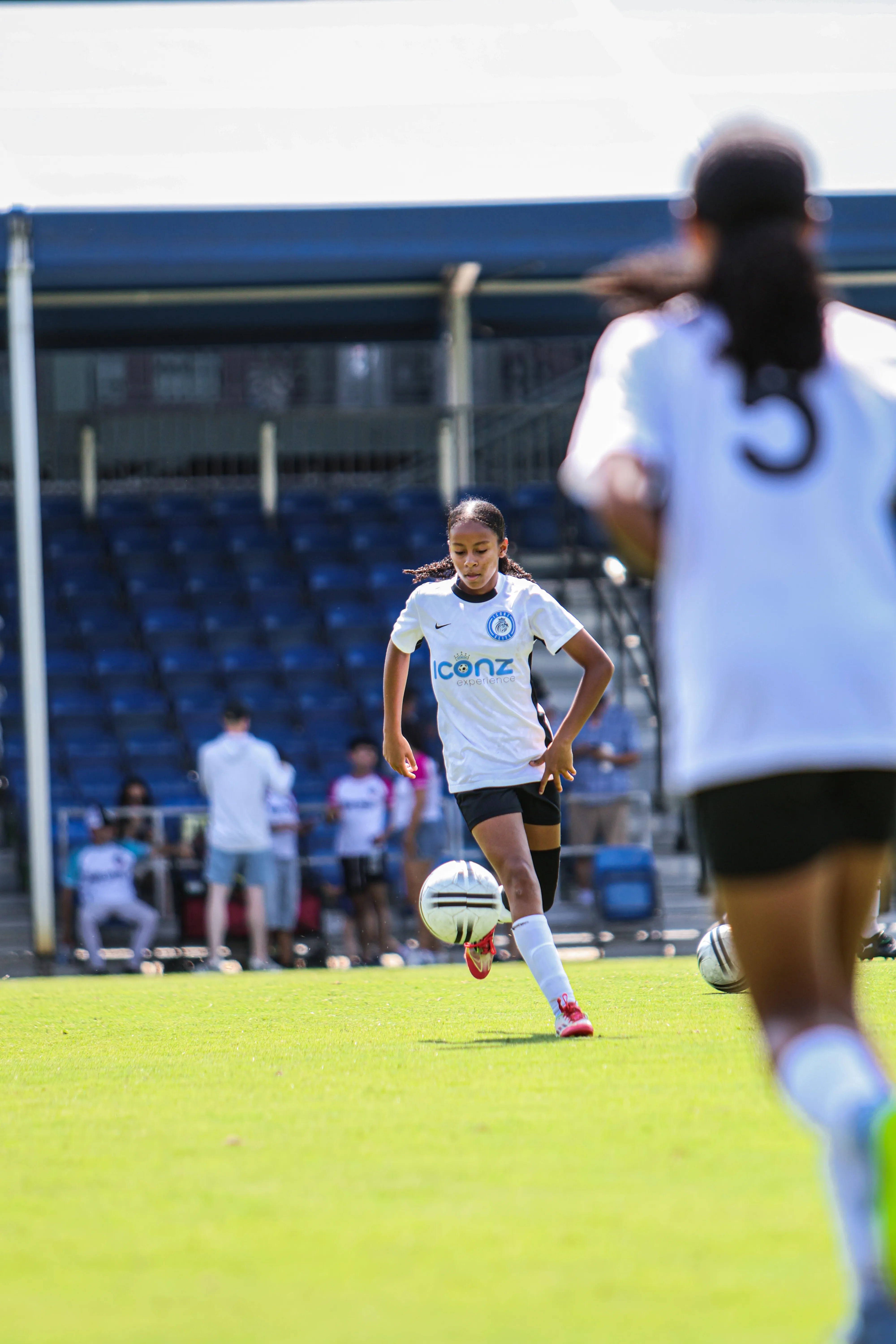
Watch for the signs that training is no longer helping
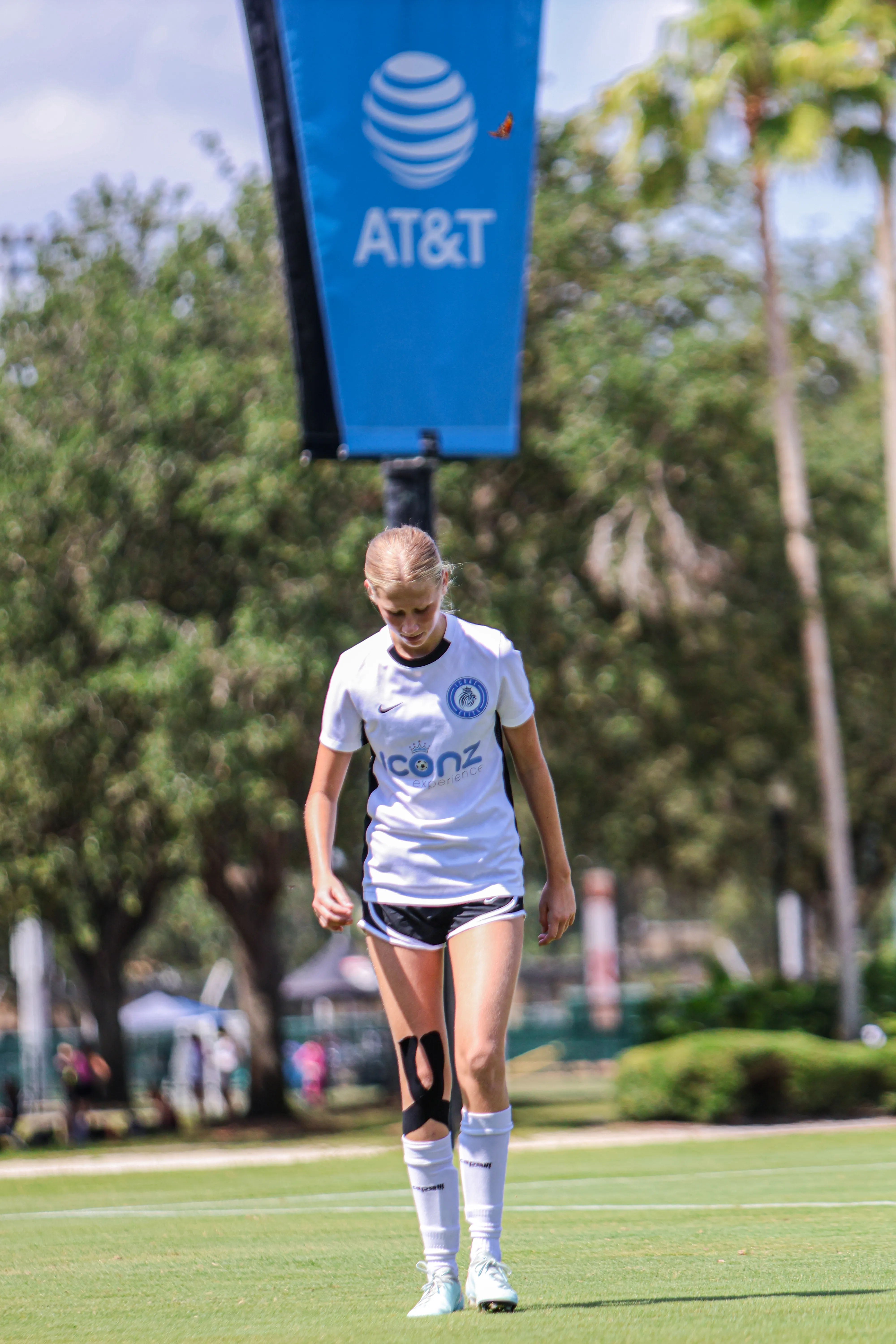
Every player has an occasional flat practice. One poor game or one tired morning is not a diagnosis. Patterns are what matter. If the same issue appears across several sessions or weeks, it is time to pause and look closer.
- Pain that persists or gets worse with activity: especially pain that changes how the player runs, cuts, shoots, or lands.
- Swelling, limping, or altered technique: these are not things a young player should be expected to hide or play through.
- Sleep, mood, or motivation changes: poor sleep, irritability, anxiety around training, or a sudden lack of enjoyment can signal that the total load needs attention.
- Performance that keeps dropping: a player who cannot recover between ordinary sessions may need less volume, better recovery, or both.
- Repeated illness or recurring minor injuries: the body may be struggling to keep up with the plan.
The American Academy of Orthopaedic Surgeons’ safety guidance says increasing pain, swelling, movement changes, and declining interest in practice should be taken seriously. Persistent symptoms or symptoms that affect performance deserve an evaluation by a qualified health professional. Young players should never be told to simply play through pain.
Know when to step in and get help
Some schedule changes can be handled at home. If a player is tired after a busy weekend but feels better after rest, sleep, and a lighter few days, that is useful information. The family can learn from it and plan the next week more carefully.
Other situations need more than a calendar adjustment. Persistent pain, limping, swelling, pain that returns whenever activity increases, or a noticeable change in the way a player runs or kicks should be assessed by a qualified health professional. The same is true when emotional signs linger. A player who is consistently anxious before training, unusually withdrawn, or no longer enjoying anything about soccer needs adults to slow down and listen.
Do not use a player’s toughness as the test. Young athletes often worry about letting down teammates or losing a place in the lineup. That can make them minimize symptoms. The better message is simple: speaking up early is part of being responsible for the team and for the player’s future.
The National Athletic Trainers’ Association’s youth sport recommendations are another useful prompt for families to review workload, recovery days, and how long one sport dominates the year. They are guardrails, not a substitute for personalized medical advice, but they reinforce the point that recovery needs to be designed into the plan.
How parents can make the schedule healthier
Parents do not need to become a second coach or a full-time data analyst. They do need a clear view of the schedule and permission to protect the player when the pace is wrong. Start with one family rule: no commitment is so important that it makes rest impossible.
Coordinate early when a player is involved in multiple environments. Share the week with coaches, be honest about tournaments and school demands, and ask which sessions are most valuable. A good plan has priorities. It does not assume every training opportunity carries equal value.
Keep the conversation with the player open. Ask what they enjoy, what feels hard, and what feels like too much. A player may be excited about elite competition yet still need a lighter week after travel or a tournament. Listening closely does not lower standards. It helps adults set standards the player can actually sustain.
It also helps to name one adult who owns the big-picture view. In some families that is a parent. In others, it may be a coach who coordinates well with the family. Whoever it is should be able to see the player’s full week, not just the activities connected to one team. Clear communication prevents the common mistake of several well-meaning adults each adding one more session without anyone seeing the total.
Choose development that fits the player
Quality matters more than simply adding another session. A well-run training environment gives players clear purpose, appropriate challenge, and room to absorb what they are learning. The goal is not to fill every day. It is to help each player make meaningful progress while protecting health, confidence, and enjoyment.
Iconz Elite’s player development program is built around purposeful training, elite competition, and mentoring rather than club loyalty. Families can also explore training locations across Florida to find the setting that fits their player’s practical schedule. That club-neutral approach can make it easier to choose the right opportunity, instead of feeling pressure to say yes to every opportunity.
There is no shortcut around recovery. The players who stay connected to the game, learn from demanding moments, and have enough space to reset are better positioned to keep growing. For families who want to discuss a player’s next step, registering interest with Iconz Elite is a simple place to start.
Frequently asked questions.
How many days a week should a youth soccer player train?
The right number depends on the player's age, maturity, total activity, travel demands, sleep, and how they are responding. A useful starting point is to protect at least one or two days each week away from organized competition and sport-specific training, then adjust the remaining schedule around the player rather than the calendar.
Should a young soccer player take time off during the year?
Yes. A break from soccer-specific competition and training can give the body and mind time to reset. Young athletes can stay active through other sports, unstructured play, strength work appropriate to their age, and ordinary family life, without repeating the same demands every week of the year.
Can Iconz Elite work alongside my player's existing club?
Yes. Iconz Elite is designed to complement a player's existing club experience. Families should look at the full week together, including club sessions, games, travel, school soccer, and added development work, so the player has enough recovery and each commitment has a clear purpose.
What should I do if my child says they are tired of soccer?
Start with a calm conversation and take the concern seriously. Reduce the immediate load, make sure sleep and recovery are protected, and speak with coaches about what can change. Ongoing pain, limping, mood changes, loss of enjoyment, or emotional distress deserve guidance from an appropriate health professional.
Related posts.

Player Development
Youth Soccer Nutrition: A Practical Parent Guide
Simple, food-first ways to help young players fuel training, school, games, and recovery.
Read article →
Player Development
Youth Soccer Hydration and Rehydration Guide
A clear hydration plan for training, tournament days, Florida heat, and recovery.
Read article →