

Defending is not a punishment for players who do not score. It is a game skill every young player needs: the ability to make space smaller, stay composed when an attacker moves, help a teammate, and win the ball when the moment is right. The best youth soccer defending drills do not teach children to crash into challenges. They teach players to arrive under control, protect the most dangerous space, and turn a regain into the next attack.
Start with the job, not the tackle
Young players often hear one instruction when an opponent has the ball: “Get it.” That sounds simple, but it can produce the same mistake again and again. A player runs straight at the ball, reaches with a foot, misses, and gives the attacker a clear route to goal. A better first lesson is that a defender has several jobs before any tackle: close the space, slow the attacker, stay between the ball and the target, and notice whether help is nearby.
That order matters. The FA’s guidance on introducing defending to young players puts patience, full-body movement, clean timing, and composure after winning the ball at the center of the learning process. Players do not need a long lecture to understand it. Give them one short cue, such as “close, then slow,” and let them solve a real game problem.
For parents, the most useful change is to praise a player who delays an attacker or recovers after being beaten, not only the player who wins a tackle. Defending becomes less frightening when the player learns there are several ways to help the team. This is especially important for children who are still growing, still learning their balance, or simply do not yet have the speed of an older teammate.
1. Mirror movement for balanced feet
Set up two players about three yards apart in a clear, flat space. One player leads with small side steps, gentle forward movement, and changes of direction. The other player mirrors them without crossing their feet, turning their back, or reaching in. Use 20 to 30 second rounds, then switch roles. Start without a ball so players can focus on their feet and body position.
The defender should keep knees soft, chest tall, and weight light on the front of the feet. Ask them to stay low enough to change direction but not so low that movement becomes stiff. A simple cue is “show the chest, move the feet.” It keeps the player facing the game rather than standing sideways or staring only at the ball.
When that feels comfortable, let the leader carry a ball slowly. The defender does not need to win it. Their goal is to stay connected and balanced. Make the area larger for younger players or anyone who feels rushed. Make it smaller only when the defender can move safely and keep their position. This is a warm-up drill, not a test of who can make the other player fall over.
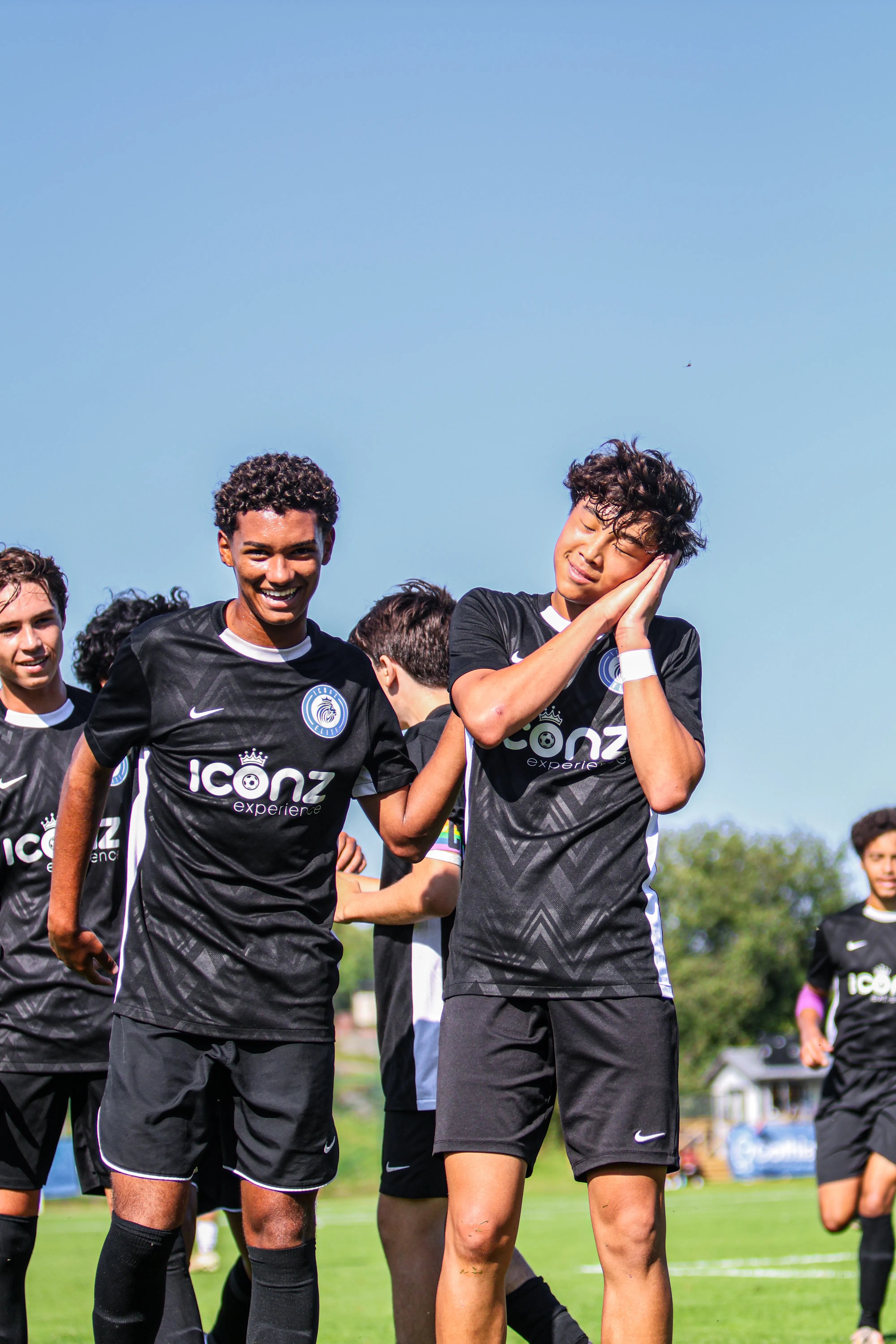
2. Close, slow, and contain in a channel
Create a lane about 10 yards long and 6 to 8 yards wide, with a cone gate at one end. An attacker starts with the ball at one end. The defender begins several yards away and tries to stop the attacker from dribbling through the gate. The defender can score a point for forcing the attacker out of the lane, winning the ball cleanly, or delaying the attacker until a five-second count ends.
This drill teaches the sequence that makes one-on-one defending useful. The defender closes quickly while the ball is traveling, then shortens their steps before reaching the attacker. They should arrive close enough to influence the next touch, but not so close that one small feint takes them out of the play. The goal is to contain first, not to poke blindly at the ball.
Use the lane to give the defender a purpose. In a wide area, angle the approach so the attacker is shown toward the sideline or a less dangerous route. In a central lane, ask the defender to stay between the attacker and the gate. FIFA Training Centre’s one-on-one practice guidance uses the same basic progression: apply direct pressure, delay the attacker, then deny the route forward. Rotate roles often so every player feels the problem from both sides.
3. Win the ball on the right cue
A tackle is a decision, not a default. Set up the same channel, but make the attacker take three or four controlled touches before the defender can try to win the ball. The defender shadows and contains first. Once the attacker takes a heavy touch, looks down for too long, turns toward their own goal, or carries the ball into a narrow space, the defender can step in to intercept or tackle cleanly.
This stops young players from treating every touch as an invitation to lunge. Instead, they learn to wait for information. A ball that has moved away from the attacker is harder to protect. An attacker facing backward has fewer forward options. A poor first touch can be the moment to step in. If no cue appears, the defender keeps delaying and making the route difficult.
The activity should never reward unsafe contact. Use a rule that any wild kick, collision, or slide ends the turn and gives the attacker a point. Younger players can work at walking pace. More experienced players can add a small goal or allow the attacker to choose either side. The player is developing judgment, not just bravery. Good defending often looks quiet because the best decision happens before the tackle.
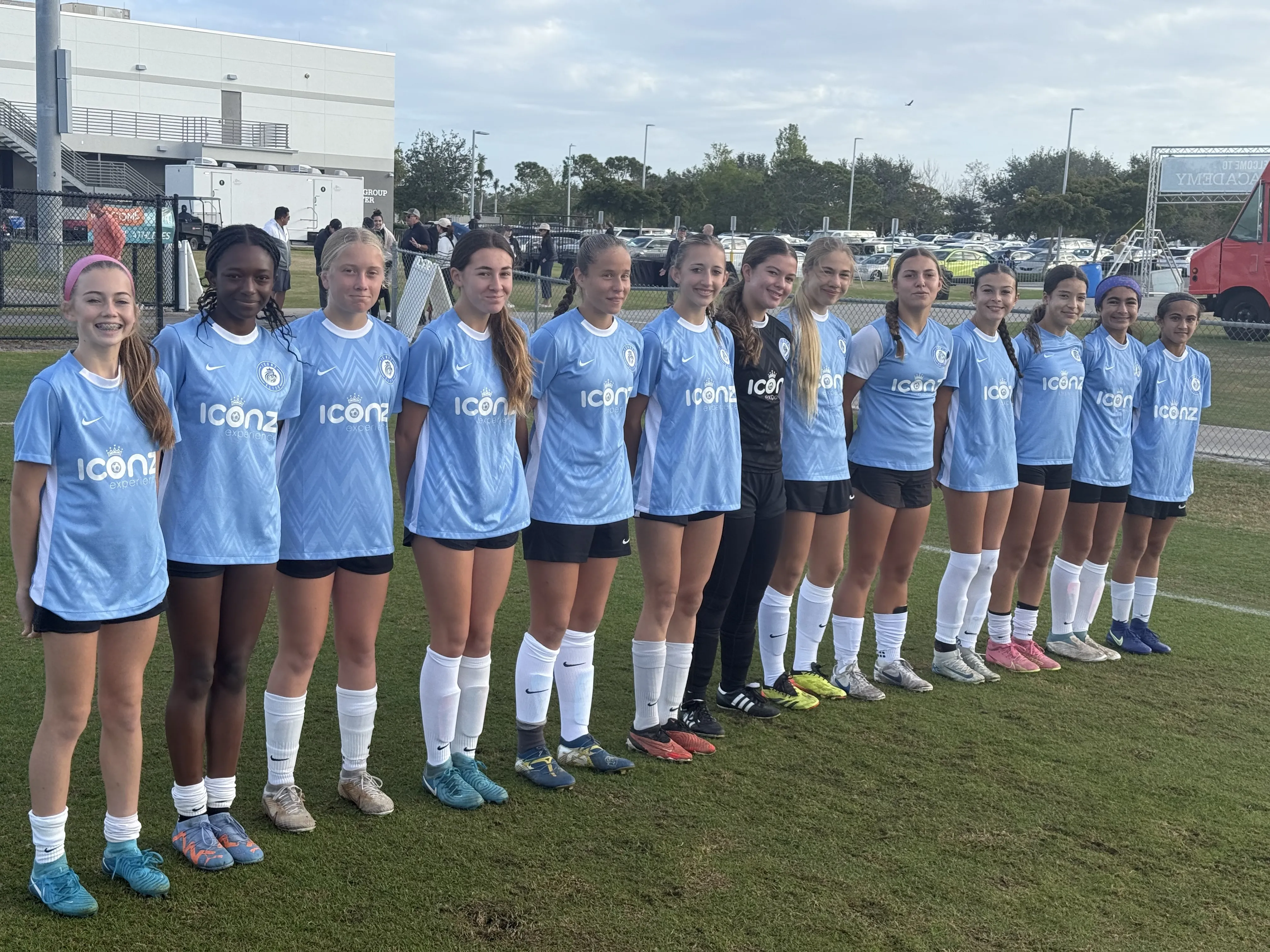
4. Pressure and cover in pairs
Now add a teammate. Place one attacker with a ball, two defenders, and two small gates or a mini goal to protect. The closest defender is the pressure player. Their job is still to close with control and guide the ball away from danger. The second defender becomes cover, standing a few yards behind and to the side where they can help if the attacker beats the first player.
Before each turn, ask the pair to name their roles: “Who pressures? Who covers?” That short conversation is more useful than a complex tactical speech. The cover player should be close enough to help, but not so close that one cut takes both defenders out of the game. If the attacker changes direction or the ball moves, the players can switch jobs naturally.
U.S. Soccer’s school-session material uses a simple 2v2 channel activity with the same message: the first defender pressures and the second provides cover, without diving in. The drill works because it lets players see how a teammate changes the one-on-one problem. Defenders do not always need to win the ball immediately. Sometimes the right choice is to make the attacker wait until help arrives.
5. Recovery race with a purpose
Set up a small goal or end zone. An attacker starts with the ball moving toward it, while a defender begins a few steps behind. On the signal, the defender recovers toward goal side. The attacker tries to score or dribble over the line. The defender’s first job is not to steal the ball from behind. It is to get back into a useful position, protect the direct route, and slow the attack long enough to defend properly.
This is a valuable lesson for players who believe one mistake ends the play. In real games, a defender can be beaten, make a poor first step, or arrive late. The response matters. A purposeful recovery run can still block a shot, force the attacker wider, or give a teammate time to help. Praise the player who keeps going and re-enters the play with control.
Keep the starting distance fair. If the attacker always scores before the defender has a chance, move the defender closer or make the target wider. If the defender wins every time, give the attacker more space or a head start. The best version is competitive but solvable. Players should leave with evidence that recovery is a useful habit, not a punishment for getting beaten.

6. Protect two gates in a small-sided game
Play 2v2 or 3v3 in a rectangle with two cone gates at each end. Teams score by dribbling or passing through either gate. This creates more decisions than a line drill because defenders must react when the ball moves. The nearest player applies pressure, while the other player protects the second gate, covers a teammate, or tracks the next pass.
Use short rounds of two to three minutes. Award an extra point when defenders win the ball and complete a pass or dribble into space. That detail matters. Defending should lead to the next action, not a frantic clearance. It connects naturally with the habits in the soccer passing guide and the first-touch guide, because a clean regain needs an equally calm first decision.
Adjust one variable at a time. Widen the field if the game is too crowded. Add a rule that defenders must call “press” or “cover” if players are ready to communicate. Give attackers an extra gate if defenders are winning the ball too easily. The purpose is not to teach a rigid formation. It is to help players recognize what changes when the ball, teammate, and space all move together.
7. Build defending into the player’s whole week
Defending gets better when it appears often in small, enjoyable moments. A 10-minute one-on-one or two-on-two game can teach more than a long block of players waiting in lines. Put players in both roles. The child who learns how hard it is to protect the ball may better understand which body shape makes an attacker uncomfortable. The child who has to delay an opponent discovers that defending can create the next attacking chance.
Keep the total load sensible. Defending drills involve stopping, starting, changing direction, and contact decisions, so quality matters more than piling them onto an already busy week. If a player has had games, travel, school soccer, and club training, a shorter technical activity or rest may be more useful. The training-load guide can help families keep recovery in the plan.
Iconz gives players additional opportunities to train, compete, and learn alongside their existing clubs. Purposeful small-sided games and demanding competitive moments help players test the balance, patience, and awareness they practice in a drill. Families can explore the player development program, look through the Florida training locations, or register interest when they want to discuss a next step that fits the player rather than simply filling another open day.
Frequently asked questions.
What are the best youth soccer defending drills?
The best drills give players a clear problem to solve: stay balanced in a one-on-one, slow an attacker, recognize when to win the ball, recover toward goal, or work with a teammate who provides cover. Start with a simple version, then add one decision when players are ready.
How do young soccer players defend without fouling?
Players defend more cleanly when they close space quickly, slow down before they arrive, keep a balanced body shape, and wait for a poor touch or another clear cue before trying to win the ball. The goal is to control the situation first, not reach for the ball immediately.
At what age should players learn one-on-one defending?
Young players can start experiencing simple one-on-one games as soon as they are ready to play against an opponent. Keep the task age-appropriate, use plenty of space, rotate roles often, and emphasize enjoyment, movement, and safe decisions before advanced tactics.
Should every youth soccer player practice defending?
Yes. Every player benefits from learning to delay an attacker, regain the ball, recover after a mistake, and support a teammate. Young players often move between positions, and these skills make them more confident wherever they play.
Published guidance.
Related posts.
Player Development
Soccer Drills for Beginners: A Simple Starting Plan
Six simple soccer drills that help young beginners build comfort with the ball, confidence, and better game habits.
Read article →
Player Development
Soccer Ball Mastery Drills for Youth Players
A simple, progressive ball-mastery routine that helps young players build closer control, better balance, and confidence on the ball.
Read article →